Nystagmus
 Athens EyeCare Clinicathenseyecare.gr · (+30) 210 777 8515
On this page
- What is nystagmus?
- Types of nystagmus
- How common is nystagmus?
- Is nystagmus a serious condition?
- Symptoms and Causes
- What are the symptoms of nystagmus?
- What causes nystagmus?
- Diagnosis and Tests
- How is nystagmus diagnosed?
- Tests to diagnose nystagmus
- Management and Treatment
- Can nystagmus be corrected?
- What are the treatments for nystagmus?
- Prevention
- How can I prevent nystagmus?
- Prognosis
- What can I expect if I have nystagmus?
- Living With Nystagmus
- When should I see my Ophthalmologist?
- A note from Athens EyeCare Clinic
Nystagmus means rapid, uncontrollable eye movements. If you have nystagmus, your eyes may move up and down, from side to side or in a circular motion. Some people are born with it (congenital nystagmus), but it can also develop later in life (acquired nystagmus). Glasses, contact lenses, medication and surgery are all potential treatments.
What is nystagmus?
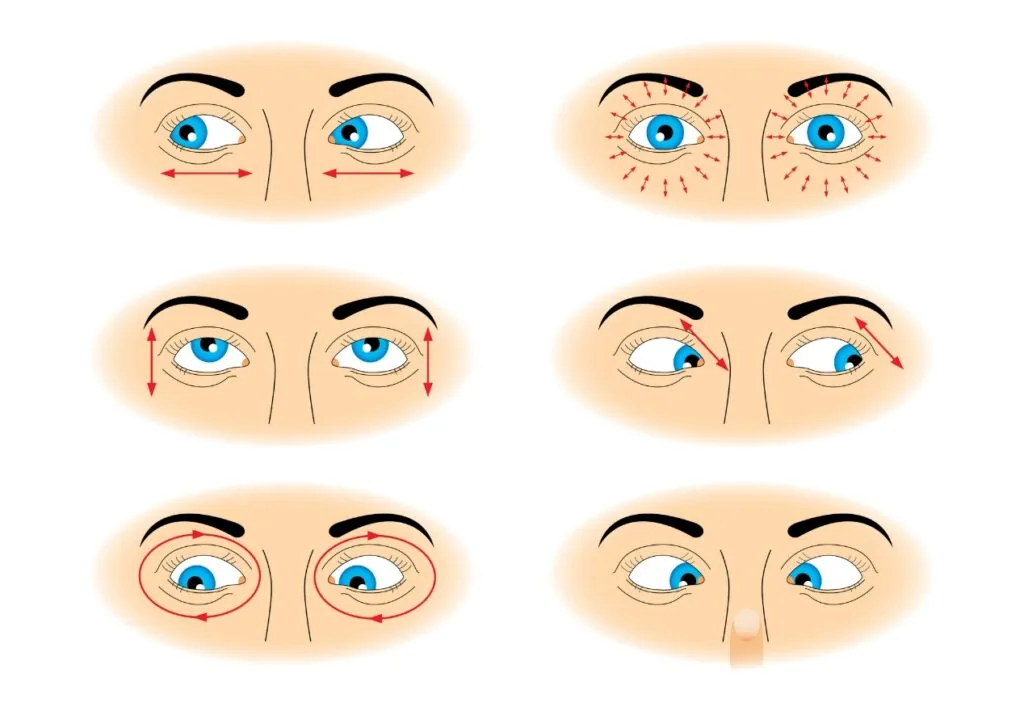
Nystagmus is a condition in which your eyes make rapid, repetitive, uncontrolled movements. Your eyes may move in different directions:
- Side to side (horizontal nystagmus).
- Up and down (vertical nystagmus).
- In a circle (rotary or torsional nystagmus).
The movements can follow different patterns. Your eyes may:
- Drift in one direction and then jerk back in the opposite direction to correct themselves (jerk nystagmus).
- Drift back and forth in a steady, pendulum-like motion (pendular nystagmus).
These eye movements can cause problems with vision, depth perception, balance and coordination.
Types of nystagmus
Nystagmus affects both children and adults. There are two types: congenital or infantile (present at birth or beginning in the first few months of life) and acquired (beginning after 6 months of age).
- Congenital or infantile nystagmus
Babies born with nystagmus usually show symptoms between 6 weeks and 3 months of age. Parents sometimes pass nystagmus on to their children, but the exact cause isn’t always clear. Children with congenital nystagmus often have it in both eyes, and their eyes usually move from side to side. The main symptom is blurred vision. - Acquired nystagmus
Acquired nystagmus develops later in life and is more common in adults. Nystagmus may be a symptom of a medical condition affecting the brain, eyes or ears — or it may not be related to any condition at all, and simply be how your body works. Sometimes nystagmus results from alcohol or drug use. Adults with acquired nystagmus often describe their vision as shaky.
Spasmus nutans is a form of acquired nystagmus that affects children. It’s usually diagnosed between the ages of 6 months and 3 years, and it usually improves without treatment between the ages of 2 and 8.
How common is nystagmus?
Researchers don’t know for certain how many people in the general population have nystagmus. Previous studies have reported that anywhere between 6 and 24 people in every 10,000 have some type of nystagmus.
Is nystagmus a serious condition?
Nystagmus itself isn’t considered dangerous, but it may be associated with serious health conditions — especially those affecting the brain, such as stroke, brain tumour, toxicity, head trauma and inflammatory diseases.
Symptoms and Causes
What are the symptoms of nystagmus?
The most obvious sign of nystagmus is uncontrollable movement of the eyes. The symptoms depend on the condition causing it and include:
- Feeling as if your surroundings are moving (oscillopsia).
- Shaky or blurred vision.
- Balance problems.
- Sensitivity to light, or trouble seeing in the dark.
- Dizziness or vertigo.
What causes nystagmus?
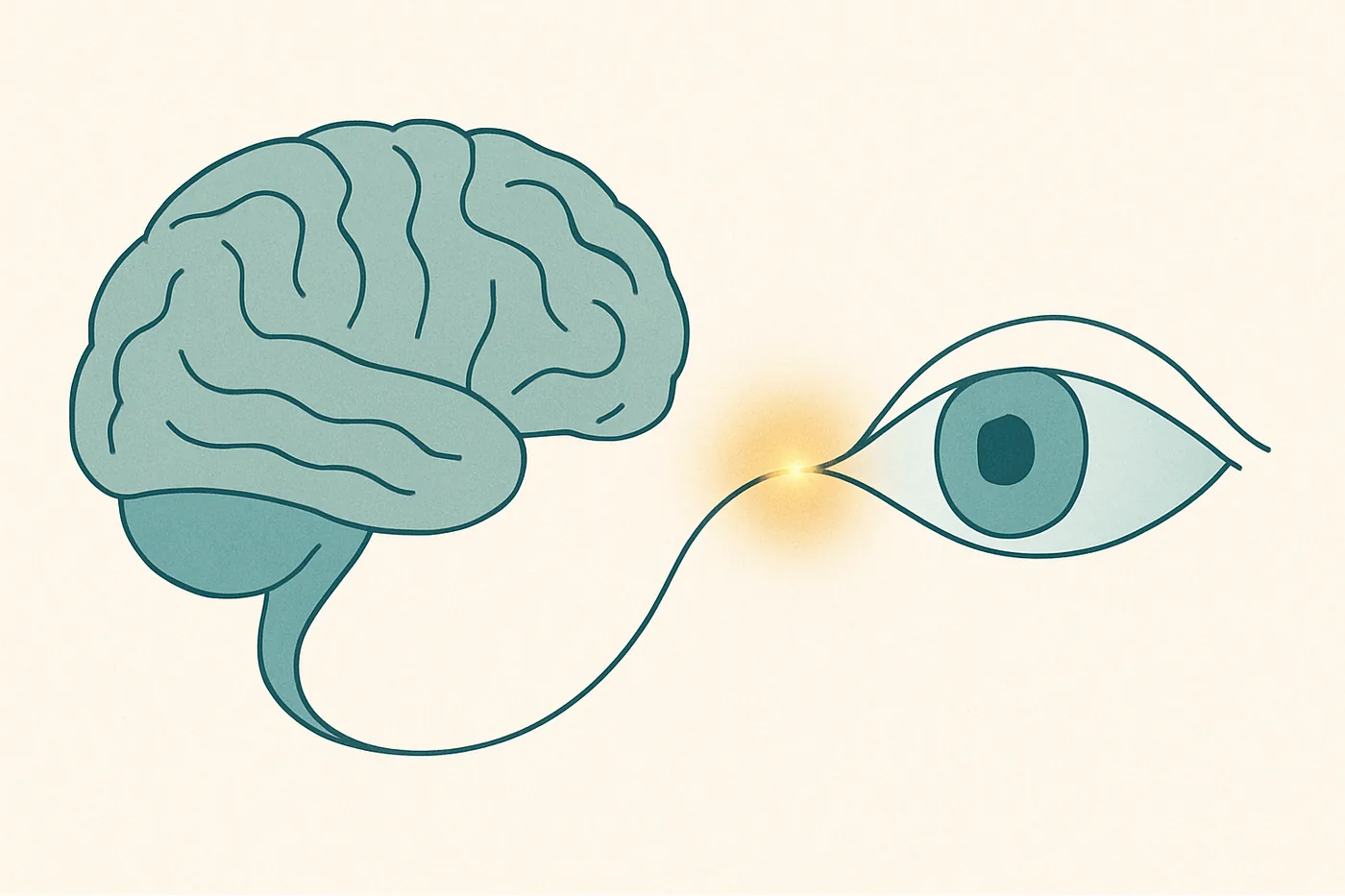
Your brain controls eye movement in conjunction with structures in your ear known as the vestibular system, automatically adjusting your eyes when you move your head so that the image you see stays in focus. In people with nystagmus, a problem prevents the brain, the vestibular system and the eyes from working together.
Nystagmus can indicate another eye problem, a neurological condition, or a problem with the parts of the inner ear that control balance and coordination.
Causes of and risk factors for nystagmus include:
- Developmental problems affecting the brain or eye.
- Disorders of the retina or optic nerve.
- Inner ear disorders, such as benign paroxysmal positional vertigo and Meniere’s disease.
- Stroke.
- Brain tumour.
- Eye or head trauma.
- Alcohol or drug use.
- Albinism (a lack of pigmentation in the skin).
- Vision problems, including short-sightedness or astigmatism.
- Certain medications, such as antiseizure drugs.
- Diseases affecting the central nervous system, such as multiple sclerosis (MS).
- Eye problems in babies, including strabismus, focusing issues and cataracts.
Sometimes there is no clear cause at all. This is called idiopathic nystagmus.
Diagnosis and Tests
How is nystagmus diagnosed?
Nystagmus is typically diagnosed by an ophthalmologist, who will perform an eye examination, ask about your symptoms and check for eye problems related to nystagmus — including strabismus, cataracts, and issues with the retina or optic nerve.
Other specialists, such as neurologists and ear doctors (otorhinolaryngologists), can also diagnose nystagmus and test for brain or inner ear conditions that may be causing it.
Tests to diagnose nystagmus
You may need further tests with different specialists to establish what is causing your nystagmus. An ophthalmologist may test for an underlying eye disease, a neurologist for a brain condition, and an otorhinolaryngologist or audiologist for an inner ear condition.
Tests may include:
- A neurological examination.
- An ear examination.
- Eye movement recordings (such as electronystagmography and video-nystagmography).
- Imaging tests to capture pictures of your brain, such as a CT scan or MRI.
- Genetic tests to identify inherited genetic mutations associated with some forms of congenital nystagmus.
Management and Treatment
Can nystagmus be corrected?
Whether nystagmus can be corrected depends on the medical condition responsible for it.
Sometimes, treating the underlying condition can correct acquired nystagmus. For example, treating an inner ear condition that is causing nystagmus can improve symptoms such as shaky vision or dizziness. In some conditions, the brain and vestibular system compensate for the damage, and the nystagmus disappears or lessens over time.
Certain types of congenital nystagmus may disappear later in life. Other types cannot be cured completely, but the right treatment can keep symptoms under control.
What are the treatments for nystagmus?
Your doctor will recommend treatment based on what is causing your nystagmus, taking into account your health history and personal preferences.
- Glasses or contact lenses
Clearer vision can help slow the rapid eye movements associated with nystagmus, so your doctor may recommend glasses or contact lenses to manage symptoms. You may need prism lenses, which limit how far your eyes have to move in order to see clearly. - Medications
Some medications can reduce nystagmus symptoms in adults, such as Gabapentin (antiseizure), Baclofen (muscle relaxant) and Botox. Your doctor will determine whether you would benefit from any of them. - Eye muscle surgery
In rare instances, your ophthalmologist may recommend strabismus surgery. During this procedure, a strabismus surgeon repositions the muscles that move the eyes. The surgery doesn’t cure nystagmus, but it improves eye movement, so you won’t have to tilt or turn your head as much to see clearly. - Vision correction surgery
If you have nystagmus and are short-sighted, you may benefit from laser vision correction surgery, such as LASIK. Laser eye surgery doesn’t cure nystagmus, but it improves your vision — and improved vision can reduce your nystagmus symptoms.
Prevention
How can I prevent nystagmus?
There is currently no way to prevent nystagmus, but you can reduce the symptoms by treating the underlying cause.
Prognosis
What can I expect if I have nystagmus?
Nystagmus can make everyday tasks more challenging, and it can sometimes limit the kinds of work and hobbies open to you.
Nystagmus rarely goes away completely, but it can improve over time. Your doctor can help you find a treatment that works for you.
Living With Nystagmus
When should I see my Ophthalmologist?
Contact your ophthalmologist immediately if you notice any changes in your vision or have difficulties with balance or coordination. Remember that nystagmus can be a symptom of serious health problems, so prompt diagnosis and treatment are essential.
If you have already been diagnosed with nystagmus, let your doctor know if your symptoms worsen.
A note from Athens EyeCare Clinic
Nystagmus can weaken your sight, your sense of balance and your ability to judge distances. The condition cannot be cured completely, but treatment can help manage the symptoms. Ask your ophthalmologist for resources: learning everything you can about nystagmus will help you choose the best treatment and manage your condition, so you can carry on doing the things you enjoy.
Related conditions