
FFA & ICG
 Athens EyeCare Clinicathenseyecare.gr · (+30) 210 777 8515
On this page
What are FFA & ICG?
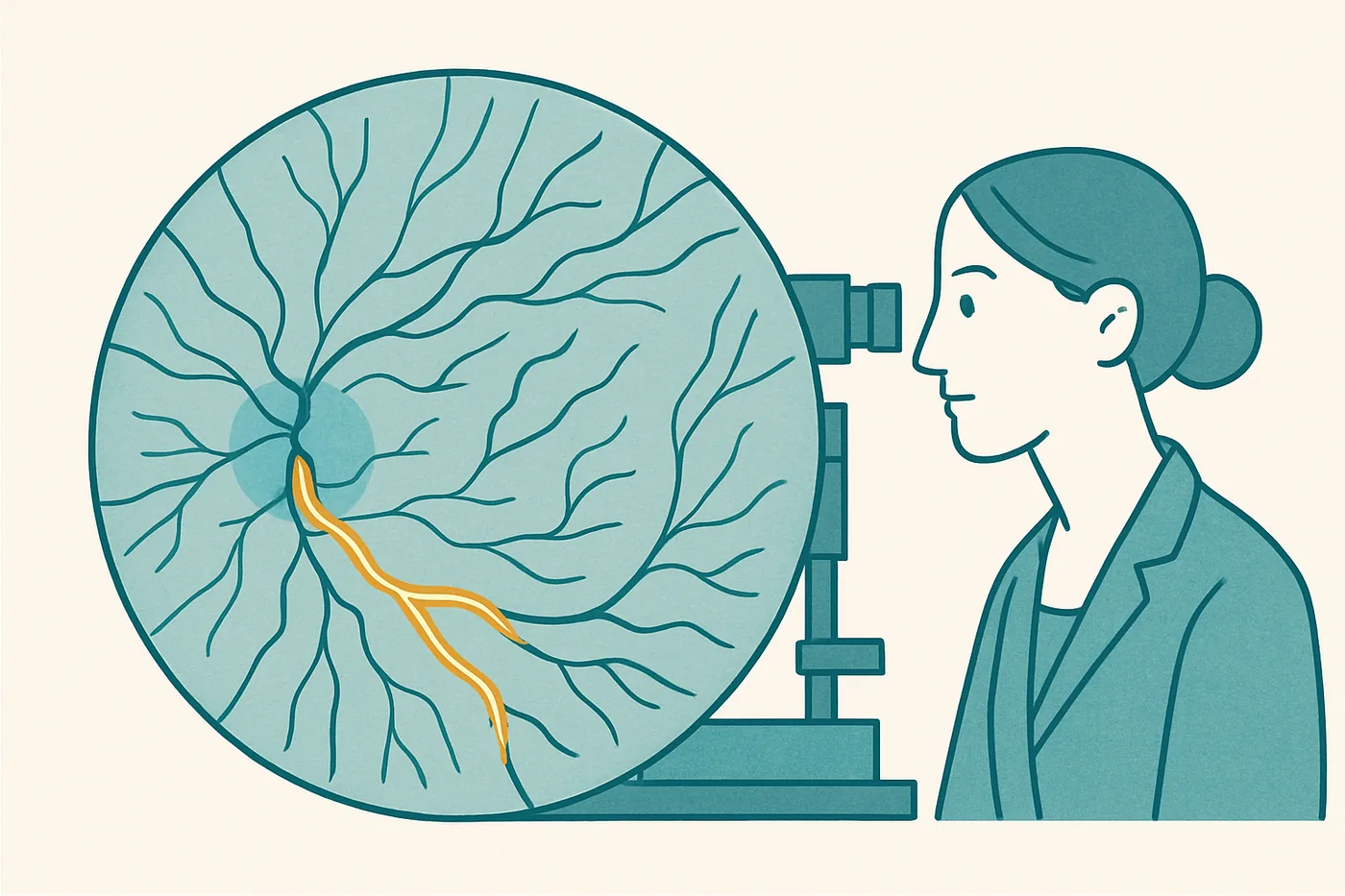
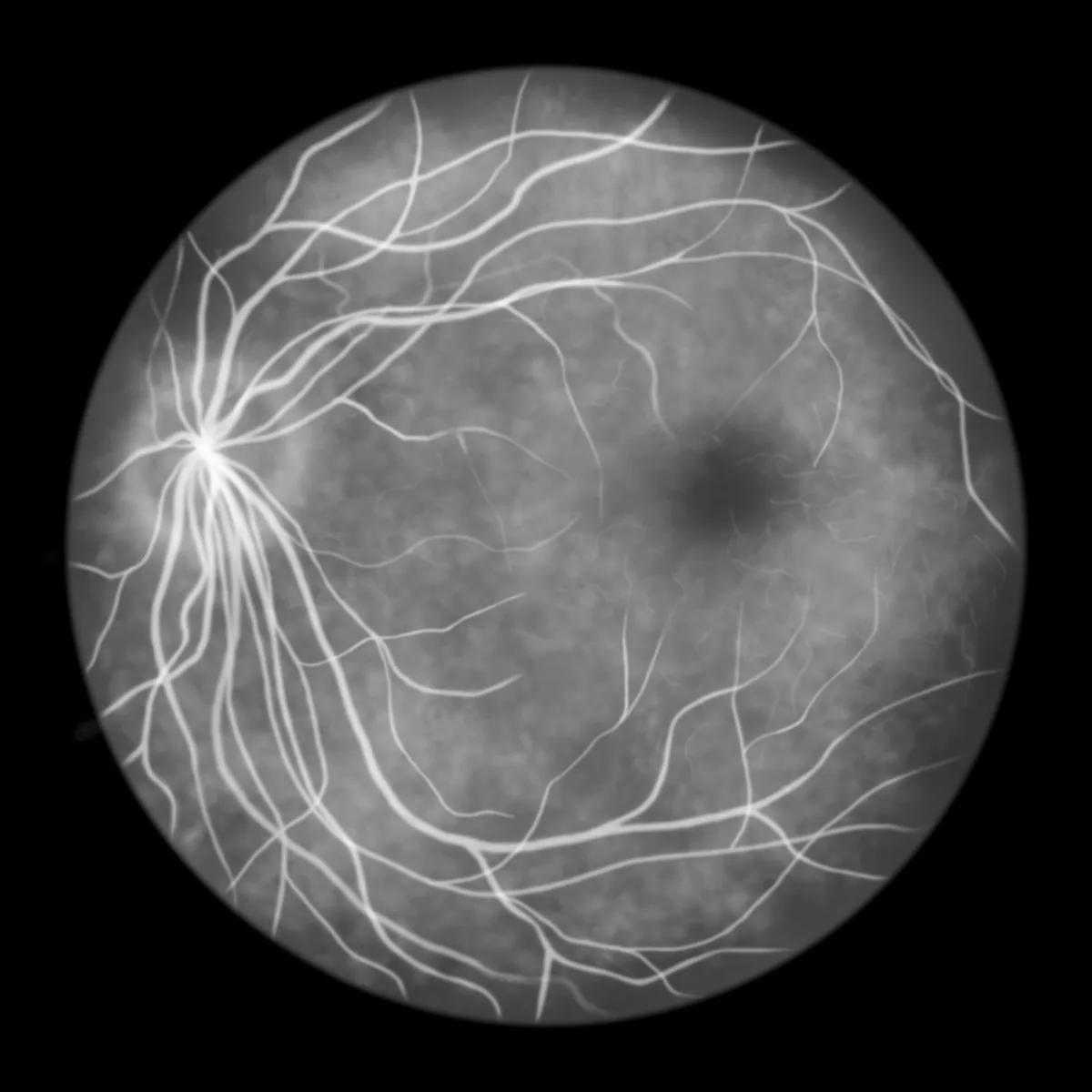
Fluorescein angiography (FFA) and indocyanine green (ICG) angiography are simple diagnostic tests in which fluorescein (a yellow dye) and/or indocyanine green is injected into your bloodstream through a vein in your hand or arm, followed by a series of photographs taken over several minutes. The FFA test gives your doctor detailed information about the condition of the retina at the back of your eye, while the ICG test provides information about the choroid, which lies beneath the retina. These tests help the doctor decide on the best treatment options for you. Please take your medication as normal on the day of your procedure; you may also eat and drink as usual.
What Conditions Can the FFA & ICG Test Diagnose?
Fluorescein angiography and ICG are used to diagnose certain eye conditions, such as:
Macular Degeneration
Diabetic Retinopathy
Retinal Vein Occlusions
Cystoid Macular Oedema
Retinal Vascular Diseases
Uveitis-related diseases
What Information Can the Test Show?
The cause of leaking blood vessels in the eye
The type of Macular Degeneration
The location of any areas of leakage
What does the test involve?
-
On arrival at our ophthalmology clinic, your vision will be tested.
-
Your pupils will then be dilated with eye drops. These drops may blur your vision — particularly your near vision — for five to six hours, so it is advisable not to drive home after your appointment.
-
The procedure will be explained to you, and you will be asked to sign a consent form agreeing to it. Please feel free to ask any questions.
-
Once your pupils are dilated, you will be taken into the imaging room.
-
You will be seated at the camera with your arm supported, and some (flash) photographs will be taken.
-
A cannula (a small plastic tube) will be inserted into a vein on the back of your hand.
-
The fluorescein dye and/or indocyanine green will then be injected. A series of flash photographs is taken as the dye passes through the retinal or choroidal vessels at the back of your eye.
-
The test itself takes only about 10 to 30 minutes, but please allow one to two hours at the eye clinic so that we can carry out the necessary checks before and after the test.
-
It is very important to keep your eye in the position requested by the examiner.
-
You will be asked about your general health. Please tell us if you have any breathing or heart problems, are pregnant, are on renal dialysis, or have photosensitive epilepsy. It is also very important to tell us about any allergies — particularly to fluorescein, iodine or iodide, medications, sulpha drugs or latex. We use FFA and ICG with caution in patients who are allergic to shellfish or seafood.
Are there any side effects?
– The fluorescein dye will give your skin a yellow tinge, and your urine will be bright yellow for a day or two. The ICG procedure does not affect the colour of your skin or urine.
– You may feel a hot flush as the dye is injected.
– Around one in ten patients may feel nauseous or short of breath, or develop a transient rash, but this rarely lasts more than a few seconds.
– In rare instances, flash photography may trigger an epileptic episode or tonic-clonic seizure.
– There is a very remote risk of a severe allergic reaction to these intravenous drugs. For this reason, the examination takes place with an Anaesthesiology Consultant present.
After the fluorescein and/or indocyanine green angiogram, the cannula will be left in your hand for 30 minutes. Once we are certain that you have had no adverse reaction, the cannula will be removed. The doctor will then discuss the results with you and recommend any treatment you might need.
Athens EyeCare Clinic has one of the most modern fundus cameras, with Digital Fluorescein Angiography and Digital Indocyanine Green Angiography — the Visucam 524 from Zeiss.