
Blepharospasm
 Athens EyeCare Clinicathenseyecare.gr · (+30) 210 777 8515
On this page
What is Blepharospasm?
Blepharospasm is a forceful, involuntary closure of the eyelids. It often affects both eyes, but it can affect only one. As the condition worsens, the blinking or winking becomes more frequent, and the eyelids may stay closed for longer than a normal blink, which can interfere with vision.
The condition is sometimes called idiopathic blepharospasm.
Blepharospasm is quite different from the mild eyelid twitches that sometimes occur with stress, caffeine or lack of sleep, and which do not affect vision.
How does it occur?
The exact cause of blepharospasm is not known. Most experts believe that the basal ganglia, the part of the brain that helps coordinate muscle movement, are not working normally. The nerves in or near this area of the brain may also be affected.
Certain medications, such as those used to treat Parkinson’s disease, can cause the problem. Other factors that may play a part include:
- stress or fatigue
- dry eyes
What are the symptoms?
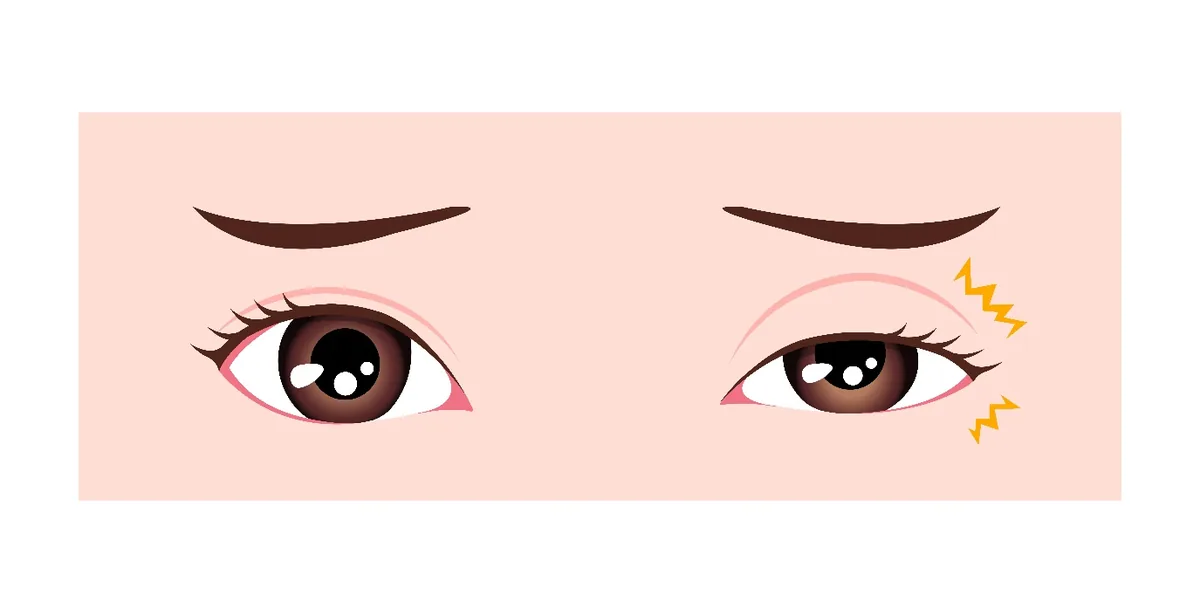
The symptoms are:
- winking, blinking or squinting that you cannot control
- difficulty keeping your eyes open
- sensitivity to light
How is the diagnosis made?
Your doctor will ask about your symptoms and examine your eyes.
How is blepharospasm treated?
The main forms of treatment are:
injection of a medicine (Botox)
medicines taken by mouth
surgery
stress management
Very small amounts of botulinum toxin A (Botox), prepared from the bacterium Clostridium botulinum, can be injected into the muscle that closes the eyelids. Botox stops the muscle spasms for several months, and the injections need to be repeated approximately every 3 months.
Some medicines can themselves cause spasms; stopping them or reducing the dose may bring the spasms to an end.
Finally, stress management and coping techniques may help reduce the spasms and help you feel more at ease in social situations.
Bright light can aggravate the spasms, so wearing dark glasses can reduce them – and they also make the problem less noticeable to others.
Related conditions