
Retinal Artery Occlusion
 Athens EyeCare Clinicathenseyecare.gr · (+30) 210 777 8515
On this page
- What is Retinal Artery Occlusion?
- Understanding Retinal Artery Occlusion
- What is an Eye Stroke?
- What Are the Risk Factors for Retinal Artery Occlusion?
- What Are the Symptoms of a Retinal Artery Occlusion?
- How is a Retinal Artery Occlusion Diagnosed?
- Get Immediate Help for Your Eye Stroke
- How is a Retinal Artery Occlusion Treated?
- Will I Regain My Sight After Experiencing a Retinal Artery Occlusion?
What is Retinal Artery Occlusion?
Retinal artery occlusion can be a life-threatening condition that causes severe, permanent loss of vision, and patients who suffer an ‘eye stroke’ are at high risk of a stroke in the brain. Our medical retina specialists are experienced in diagnosing and treating retinal artery occlusion.
Understanding Retinal Artery Occlusion
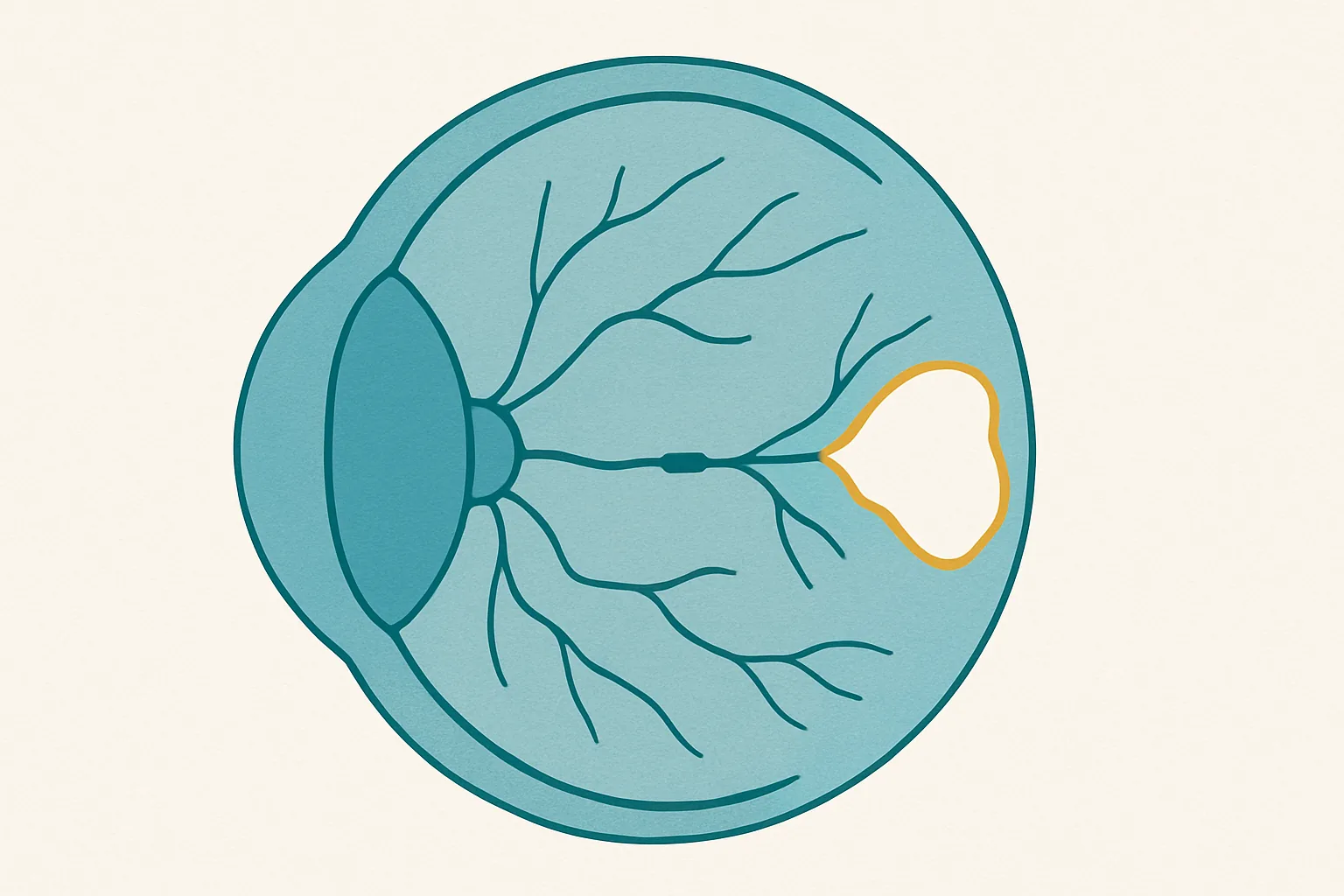
To understand retinal artery occlusion, it helps to know how blood reaches the eye. Starting at the heart, blood is pumped through the aorta into the right and left carotid arteries on its way to the eye. The eyeball is supplied by the ophthalmic artery, with most of the retina’s blood flow arriving through a single branch called the central retinal artery. The rest of the blood flowing through the carotid artery continues on to the brain.
The central retinal artery enters the eye through the optic nerve at the back. Once it reaches the retina, it divides into an upper and a lower branch that wrap around the centre of vision. From there, the branch retinal arteries divide again into smaller and smaller capillaries.
What is an Eye Stroke?
Unlike in the brain, the blood flow to the retina is one-way: there are no back-up connections between branches of the artery. If a retinal artery becomes blocked, all blood flow beyond the blockage stops. When blood flow to the retina stops, permanent damage and loss of vision occur over the course of an hour. This is what is typically called an eye stroke, or retinal artery occlusion.
There are many possible causes of a blocked retinal artery. The most common involves a particle of cholesterol that breaks off from the wall of the carotid artery and travels into the central retinal artery. At some point the particle, called an embolus, lodges in the vessel and blocks the blood flow.
In other cases of eye stroke, a clot forms in the heart or carotid artery and travels to the eye; this cluster of platelets and protein can likewise occlude the retinal vessels. Rarely, clots or particles from the veins can cross into the arterial system through a defect in the heart. This is particularly likely when patients inject contaminated street drugs into their veins.
Some patients suffer an artery occlusion without any embolus travelling from the heart or carotid artery. Instead, the retinal artery becomes inflamed as a result of an autoimmune reaction. This is called temporal arteritis, or giant cell arteritis. As the vessel becomes inflamed, its interior narrows until no blood can pass through.
What Are the Risk Factors for Retinal Artery Occlusion?
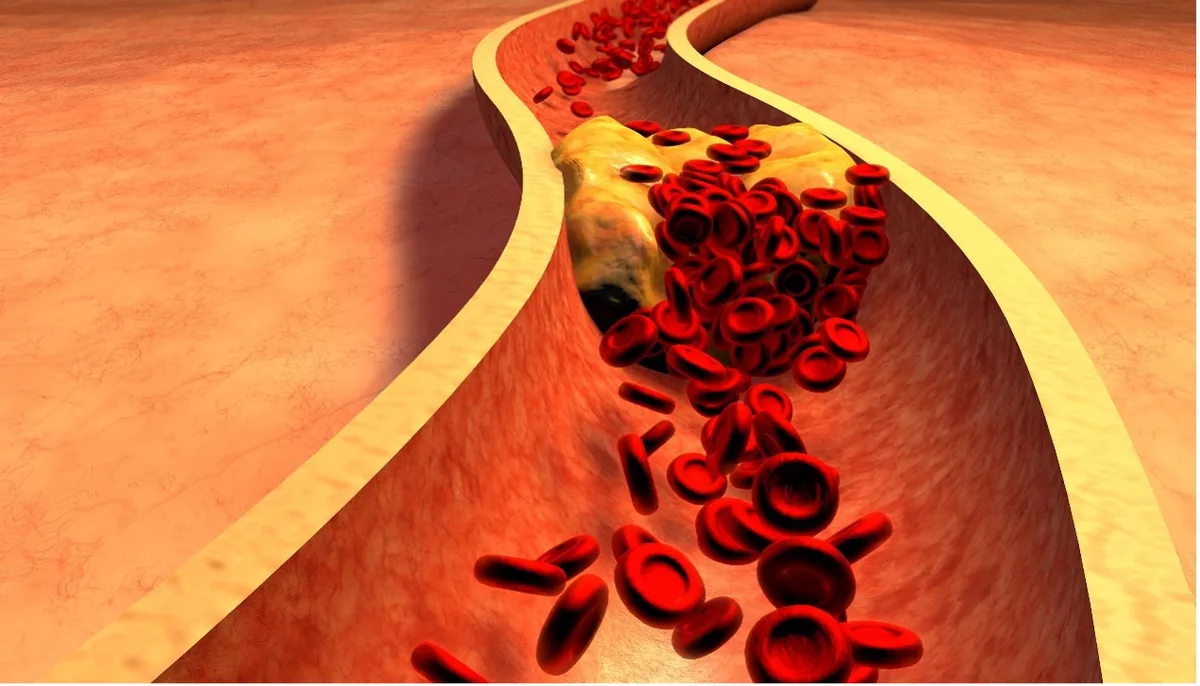
Anything that causes cholesterol to build up in your arteries increases your risk of retinal artery occlusion. This includes conditions such as high blood pressure, raised cholesterol, diabetes, smoking, obesity, a poor diet and lack of exercise. When cholesterol accumulates in the walls of your carotid arteries, it is more likely to break free and lodge in a retinal artery downstream.
Anything that increases your risk of arterial clot formation can also lead to retinal artery occlusion. This includes patients undergoing cardiac valve or carotid artery procedures. Clotting disorders, trauma and atrial fibrillation can also cause loss of vision through the formation of clots that lodge in the retinal arteries.
For giant cell arteritis, advanced age is the main risk factor, and patients with polymyalgia rheumatica are at particularly high risk of inflammatory blockage of a retinal artery.
What Are the Symptoms of a Retinal Artery Occlusion?
Retinal artery occlusion causes sudden, painless loss of vision in one eye; patients describe their vision greying out or going black. In the case of a central retinal artery occlusion, the entire visual field is lost. With a branch retinal artery occlusion, only part of the vision is lost — usually above or below the horizontal midline. Sometimes the blockage of blood flow is only partial, and patients experience recurring, temporary loss of vision that recovers within minutes.
Where the retinal artery is inflamed, the patient may have headaches, jaw pain or tenderness over the temples alongside the loss of vision. Unlike an embolus, temporal arteritis may cause loss of vision in both eyes at the same time.
How is a Retinal Artery Occlusion Diagnosed?
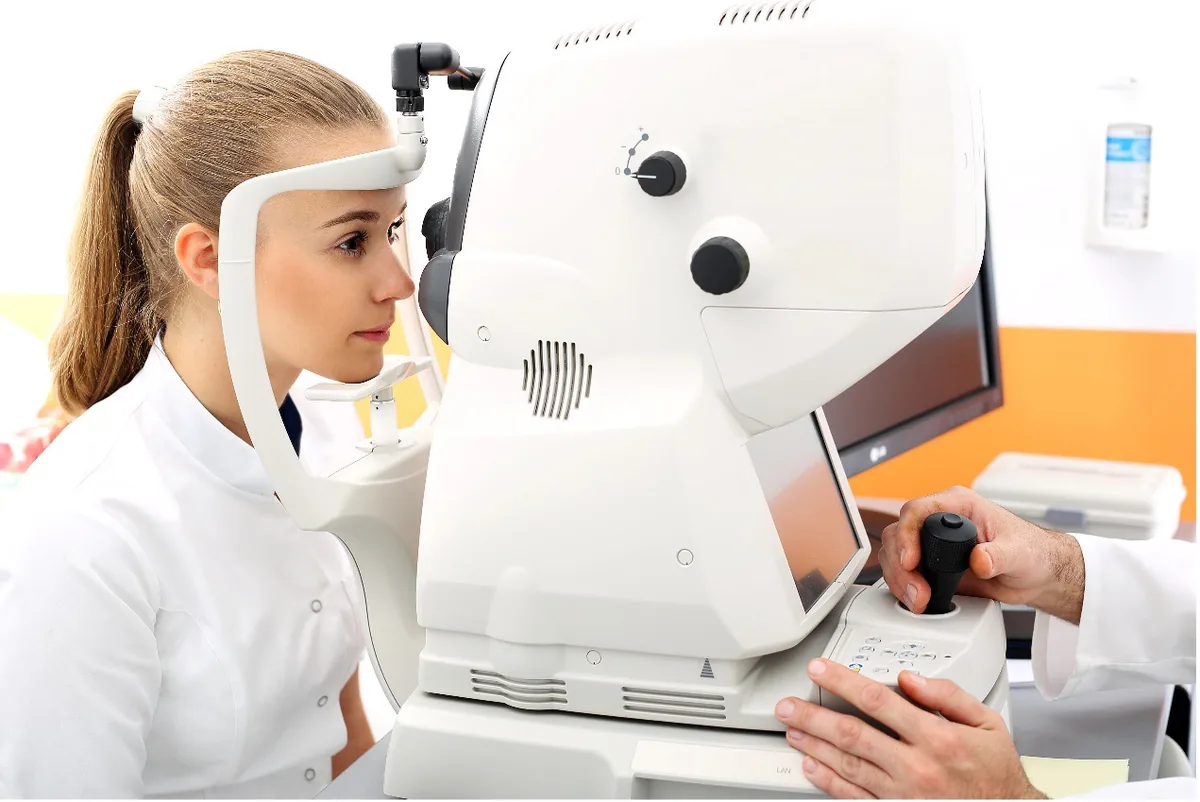
Anyone suspected of having a retinal artery occlusion should have a same-day dilated examination with an ophthalmologist. During the examination your vision will be measured, your pupils dilated and retinal images taken. The eye doctor will examine your retinas to determine whether the blood flow has been blocked. In most cases the retina appears pale where the loss of blood flow has caused the nerve fibres to swell. Sometimes the ophthalmologist can spot the particle of cholesterol itself within the retinal artery.
A specialised imaging technique called fluorescein angiography is sometimes helpful. During this test, dye is injected into a vein in the arm and photographs are taken as it passes through the retinal circulation. If an eye stroke has occurred, the portion of the retina beyond the blockage will fail to light up with dye.
Where inflammation of the retinal artery is suspected (temporal arteritis or giant cell arteritis), urgent laboratory tests are arranged. These tests (ESR and CRP) measure inflammation in the bloodstream. If the results are raised, the patient is referred for a biopsy of the temporal artery to confirm the diagnosis of arterial inflammation.
If you experience a sudden loss of vision, seek an immediate dilated eye examination with a medical retina specialist. This assessment may involve dilation, blood tests, photographs or other specialised imaging of the retina.
Get Immediate Help for Your Eye Stroke
Retinal artery occlusion can be a warning sign of a life-threatening condition, so do not delay seeking immediate medical attention if you are experiencing the symptoms described above. Contact us straight away for retinal artery occlusion treatment.
How is a Retinal Artery Occlusion Treated?
A new retinal artery occlusion indicates that the patient is at high risk of an acute stroke in the brain — in fact, up to 5% of patients suffer a brain stroke within a couple of weeks of their eye stroke. Anyone diagnosed with a new retinal artery occlusion is therefore usually sent to the emergency department for stroke evaluation. There, ultrasound is used to image the carotid arteries and heart to make sure there is no significant risk of further strokes.
Many treatments have been tried to dislodge a retinal artery occlusion before permanent damage is done, including massaging the eye, breathing carbon dioxide, withdrawing eye fluid with a needle, injecting clot-busting medication and surgically removing the clot. Unfortunately, no intervention has been shown to restore vision reliably when compared with observation alone — and most would need to be carried out within an hour of the loss of vision to be effective.
Where giant cell arteritis is suspected, patients are treated with oral steroids while awaiting the results of the temporal artery biopsy. If the biopsy is positive, the steroids are continued for many months to avoid the risk of sudden, severe loss of vision in both eyes.
Will I Regain My Sight After Experiencing a Retinal Artery Occlusion?
Unfortunately, the vision loss caused by retinal artery occlusion is severe and persistent. Although patients typically see some improvement over time, much of the sight does not return. Even so, it is important for these patients to have dilated examinations from time to time, to ensure that no further blockages or abnormal blood vessel growth develop.
Related conditions