
Botox Therapy for Strabismus
 Athens EyeCare Clinicathenseyecare.gr · (+30) 210 777 8515
On this page
The treatment of strabismus has evolved significantly in recent decades. Among the newest and most effective options is the Botox injection for strabismus, a technique based on botulinum toxin type A. In carefully selected cases it is applied with great success, offering a less invasive alternative — or a complement — to surgical correction.
What is strabismus?
Strabismus is a misalignment of the eyes: the two eyes do not point in the same direction at the same time, which can lead to diplopia (double vision) or amblyopia. It can affect children and adults alike, and its causes include congenital disorders, neurological conditions and thyroid disease.
Early diagnosis is essential. In children, the goal is to restore vision and prevent amblyopia; in adults, the emphasis is on functional and aesthetic rehabilitation. Treating strabismus is not only a matter of vision but also of quality of life, as it affects a person’s social and professional image.
How does Botox work on the motor muscles of the eye?
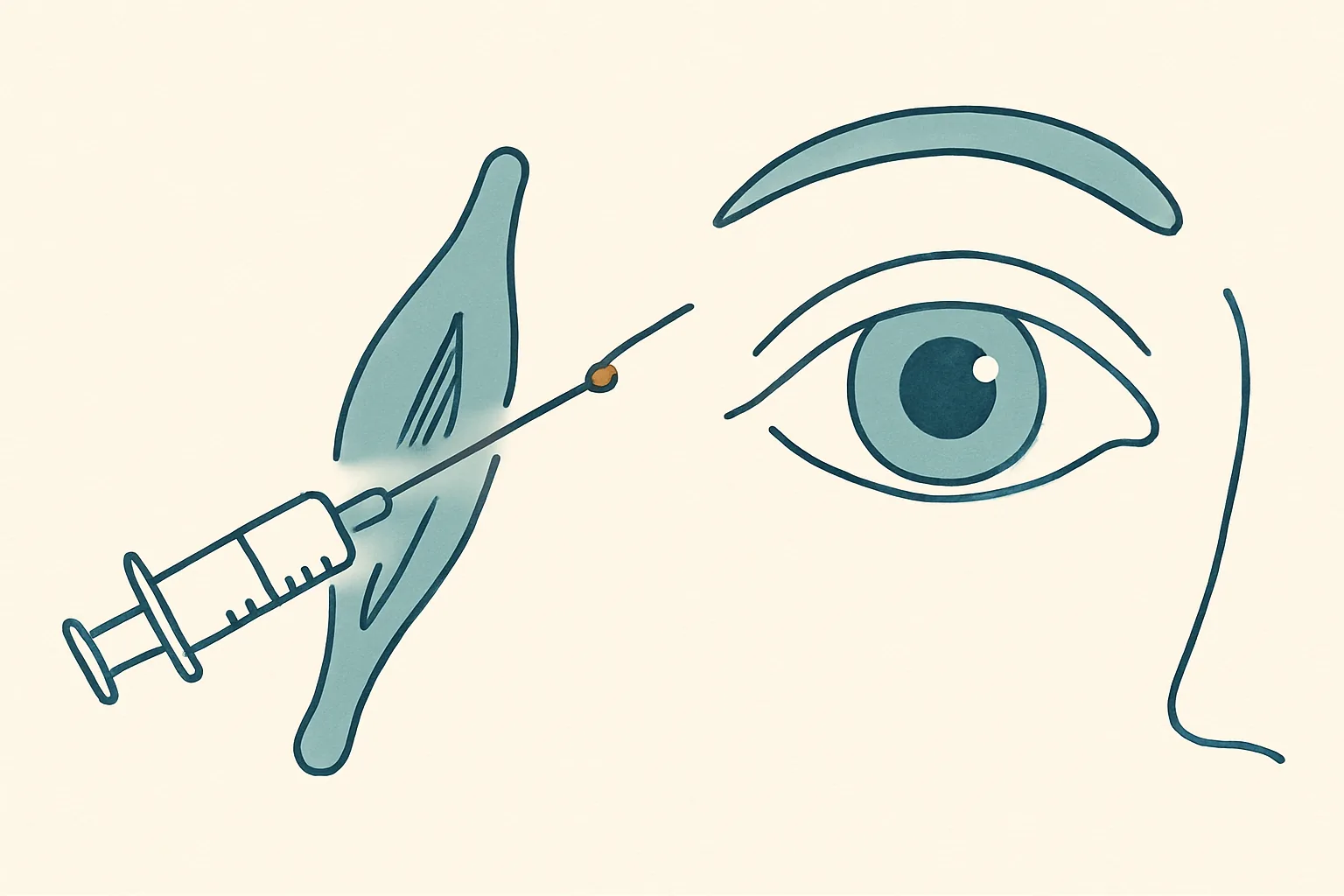
Botox works by temporarily blocking neuromuscular transmission. Injected into an overactive eye muscle, it causes a temporary paralysis, allowing the opposing muscle to pull the eye in the opposite direction and restore alignment.
The botulinum toxin begins to act within a few days and its effect lasts about three months. The result can be temporary or permanent, depending on the case: often a single injection is enough to restore balance, while chronic conditions in particular may require repeated treatments.
The technique has been in use since the early 1980s and is now well established in ophthalmology clinics worldwide. The doctor’s experience plays an important role, both in the precision of the injection and in selecting the appropriate muscle.
Botox for Strabismus: Indications and Suitable Types of Strabismus
Botox is used mainly for small- and medium-angle strabismus, particularly when surgery is not immediately indicated. It is especially useful for:
- Transient strabismus following a neurological disorder
- Strabismus that develops after surgery
- Strabismus in children, to avoid early surgical intervention
- Horizontal convergent or divergent strabismus
- Thyroid eye disease with restricted eye movement
Botox treatment is also indicated for patients with unstable strabismus angles, where a temporary intervention can show whether permanent correction is likely to succeed. For patients who cannot tolerate general anaesthesia, it is a valuable alternative.
In many cases, Botox is used for diagnostic purposes: the response to the injection helps predict the outcome of a possible surgical correction. The technique therefore has prognostic as well as therapeutic value.
Botox for Strabismus: Application Process and Safety
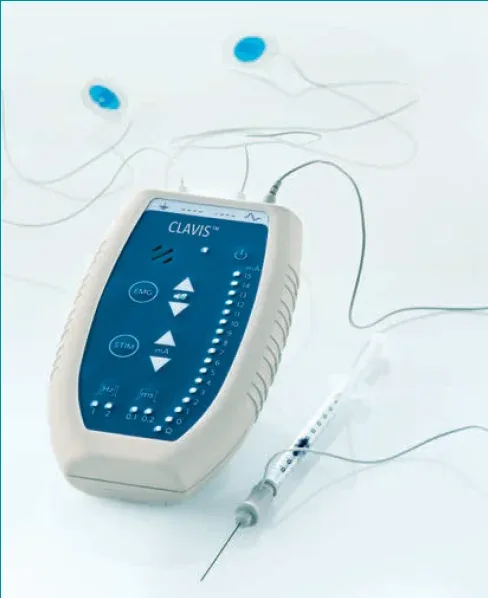
Botox is injected into the eye muscles under local anaesthesia — or with light sedation in children. A special fine needle is used, often with electromyographic guidance. The procedure takes only a few minutes and requires no incision or sutures.
The safety of the method is well documented in numerous studies. Side effects are rare and usually mild. The most common include:
- Temporary drooping of the upper eyelid
- Double vision for a few days
- Local irritation or a feeling of discomfort
- A mild haematoma at the injection site
These side effects are anticipated and completely reversible. Most patients experience no symptoms at all after the injection; occasionally a short adjustment period is needed, particularly where vision is concerned.
Botox for Strabismus: Advantages Compared to Surgery
Botox treatment for strabismus offers several important advantages over surgery:
- It is a less invasive treatment
- It does not require general anaesthesia in adults
- It can be used in young children without a long hospital stay
- It involves no incisions or sutures
- It allows preoperative assessment of muscle function
- It remains an option for patients in poor general health
The procedure can also be repeated without difficulty: if the first result is not the one hoped for, a further dose offers the chance of improvement. This adaptability makes Botox a versatile tool in the overall management of strabismus.
Limitations and effectiveness
Although Botox is a remarkable treatment option, it is not suitable for every form of strabismus: large-angle strabismus and chronic muscle imbalances usually require surgical treatment. In cases of severe mechanical dysfunction, moreover, paralysing the muscle does not always produce satisfactory eye movement.
The effectiveness of Botox depends on the type of strabismus, how long it has been present and its underlying cause. The best results are seen in cases of recent onset and in strabismus of neurogenic aetiology. In more chronic or resistant cases, repeated injections — or a combination with other treatments — may be needed.
According to the available studies, the success rate of the treatment is around 80%. This figure depends largely on the doctor’s experience and on the appropriate selection of cases.
In the right cases, Botox for strabismus is a safe, proven and reliable method. Success rests on an accurate assessment of the problem, skilled technique and careful follow-up of the patient. Strabismus can be treated effectively, provided the approach is tailored to the specific characteristics of each case.
For more information and an individual assessment, consult an ophthalmologist experienced in the use of Botox for strabismus. Expert advice is crucial to choosing the right treatment and improving the patient’s quality of life.
Surgeon – Ophthalmologist Dr. Nikolaos Vryonis has extensive international experience and specialised training in Paediatric Ophthalmology, Adult Strabismus and Neuro-Ophthalmology. If you are looking for a comprehensive, personalised approach to eye care for children and adults, plan your visit to Athens EyeCare Clinic – a place of scientific excellence and technological innovation in the care of vision.
Related conditions