
Blepharitis
 Athens EyeCare Clinicathenseyecare.gr · (+30) 210 777 8515
On this page
What is blepharitis?
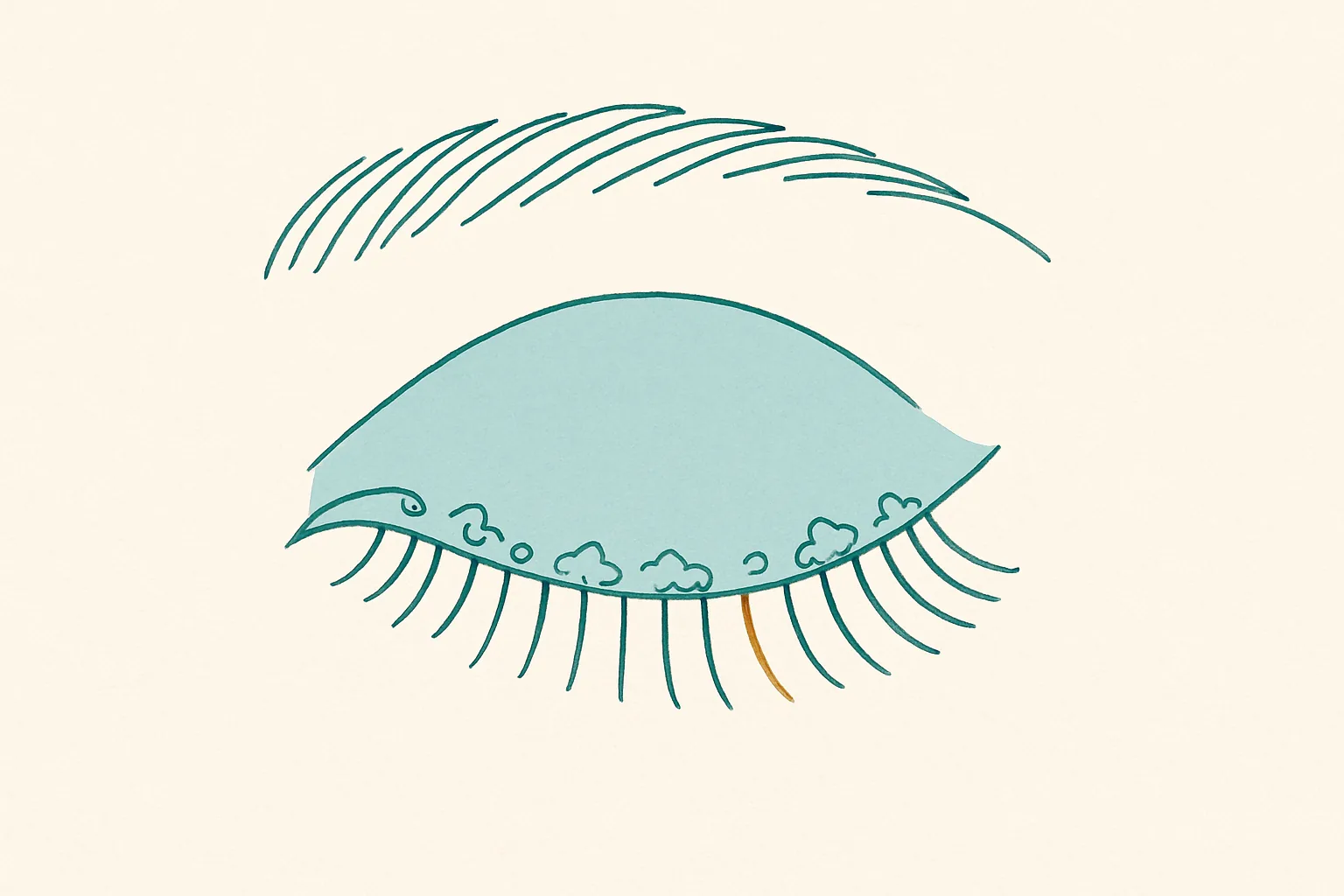
Blepharitis is inflammation of the edges of the eyelids, which become crusted, flaky and often red. It is a very common condition.
How does it occur?
The causes of blepharitis include:
- bacteria, such as staphylococci and other organisms
- dust, tobacco or other substances that cause an allergic reaction.
Sometimes the cause is unknown.
In some people, bacteria cause crusts and debris to form along the eyelashes; in others they do not. People with dandruff or oily skin are more likely to develop blepharitis.
What are the symptoms?
Symptoms include:
- irritation, itching or burning along the edge of the eyelid
- crusty deposits along the eyelid margin that flake off
- redness along the edges of the eyelids
- matted eyelashes, especially on waking
- eyelashes that fall out
Sometimes flakes fall from the eyelids into the eyes, which may then look red and feel irritated.
How is the diagnosis made?
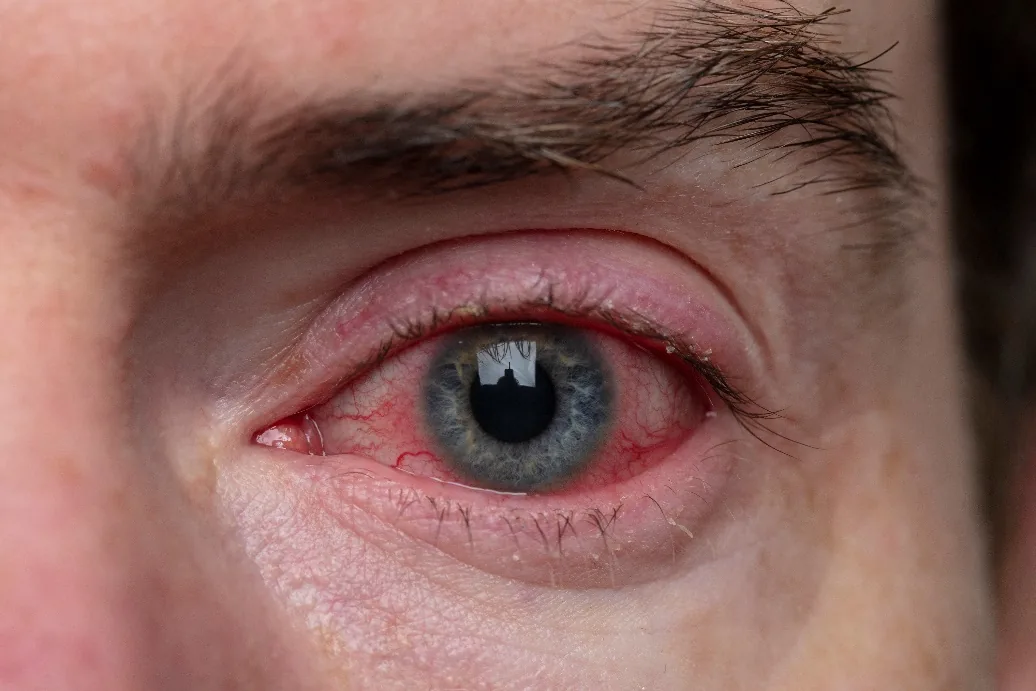
Your eye doctor will examine your eyes using a slit lamp.
How is it treated?
Blepharitis can be difficult to treat. Treatment generally involves careful cleansing of the eyelids and eyelashes, and you may need to keep up the routine for several weeks or months. The cleansing routine is as follows:
- Moisten a cloth with warm water and hold it over both eyes for several minutes. This softens any deposits on the eyelids.
- Add a few drops of baby shampoo to a cup of water and moisten a cotton bud with the mixture. Use it to clean away any deposits from the eyelid margins and eyelashes. Do not pick the crusts off with your fingers, and use a fresh cotton bud for each eye.
Your doctor will tell you how often to repeat this routine.
Your doctor may also prescribe an ointment (with or without antibiotics) to help relieve your symptoms. After cleansing your eyelids and eyelashes, apply the ointment along the eyelid margins, following your doctor’s instructions carefully.
Occasionally, a course of antibiotic tablets may be needed.
How long will the results last?
For some people, blepharitis never clears up completely; for others, cleansing and medication resolve the problem. Even once the symptoms have settled, regular eyelid cleansing can help stop blepharitis from returning.
Related conditions